
Here’s what you need to know about channel glass to get started on your next project.
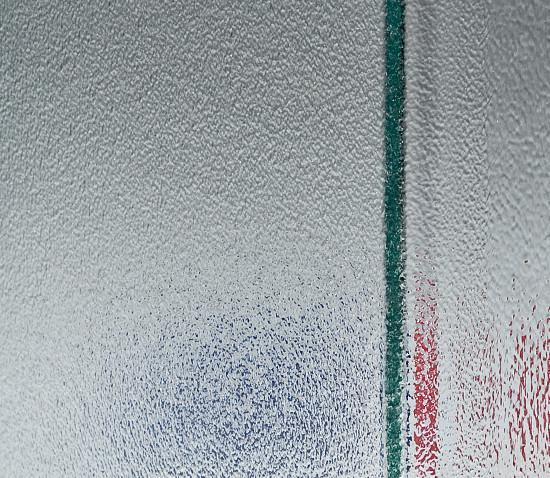
Channel glass can facilitate many design goals, making it a viable option for interior and façade use. That said, there are choices that can optimize this material as a façade system and as an interior glass partition.
For instance, adding LED backlights can help the building envelope create a warm ambiance while enticing community closer—as the Center Steps Apartments illustrate. Or channel glass can incorporate Lumira® aerogel to provide a Sound Transmission Class (STC) rating of 44. This helps minimize noise transfer between adjacent spaces by dampening up to 44 decibels (dB). Or these systems can be used as light-diffusing partitions within a building as demonstrated in this emergency room.
These examples are only a peek into the versatility of this architectural glazing system. Project teams can customize their systems in multiple ways depending on the application.
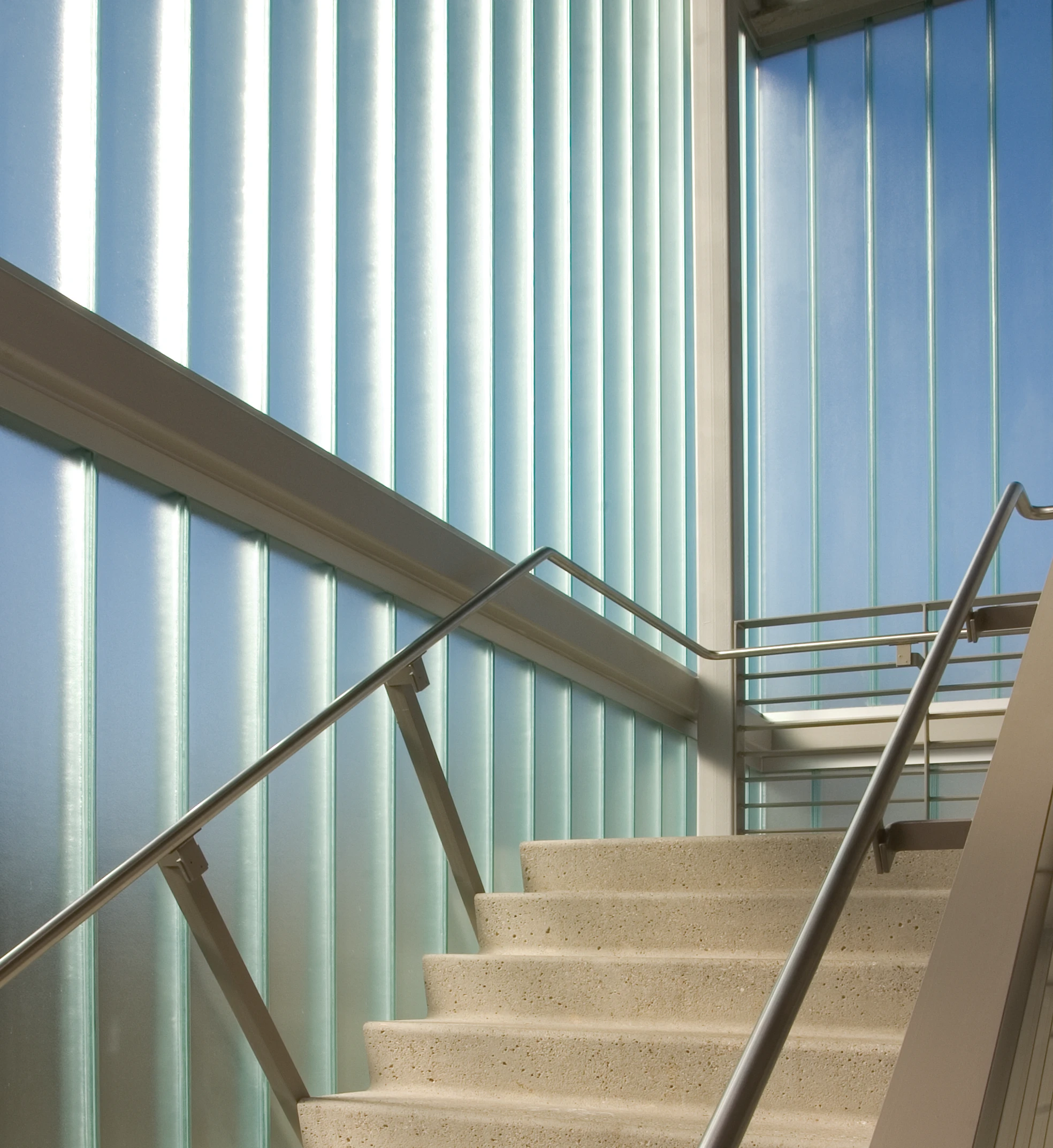
As a self-supporting, translucent glass wall system, dual-glazed channel glass offers design teams an option for glare-free daylighting and thermal resistance. Built by overlapping channels for extra wind resistance and insulation, this option can function as an alternative to traditional curtain walls and storefronts. In façade system design, the following options can help teams maximize this glazing material:
As an interior glass partition, channel glass offers several high-interest design options. Available in lengths up to 23 feet, this architectural glazing offers a versatility that helps project teams meet goals for both form and function—especially by considering:
Whether a project needs a high-performance and visually appealing façade system or an interior glass partition as unique as the building’s surroundings, channel glass can provide a viable solution.
Contact Technical Glass Products today to learn more about this glass wall system.
