


Five Ways Channel Glass Architecture Enhances Building Experience
Devin Bowman, General Manager, Technical Glass Products and AD Systems
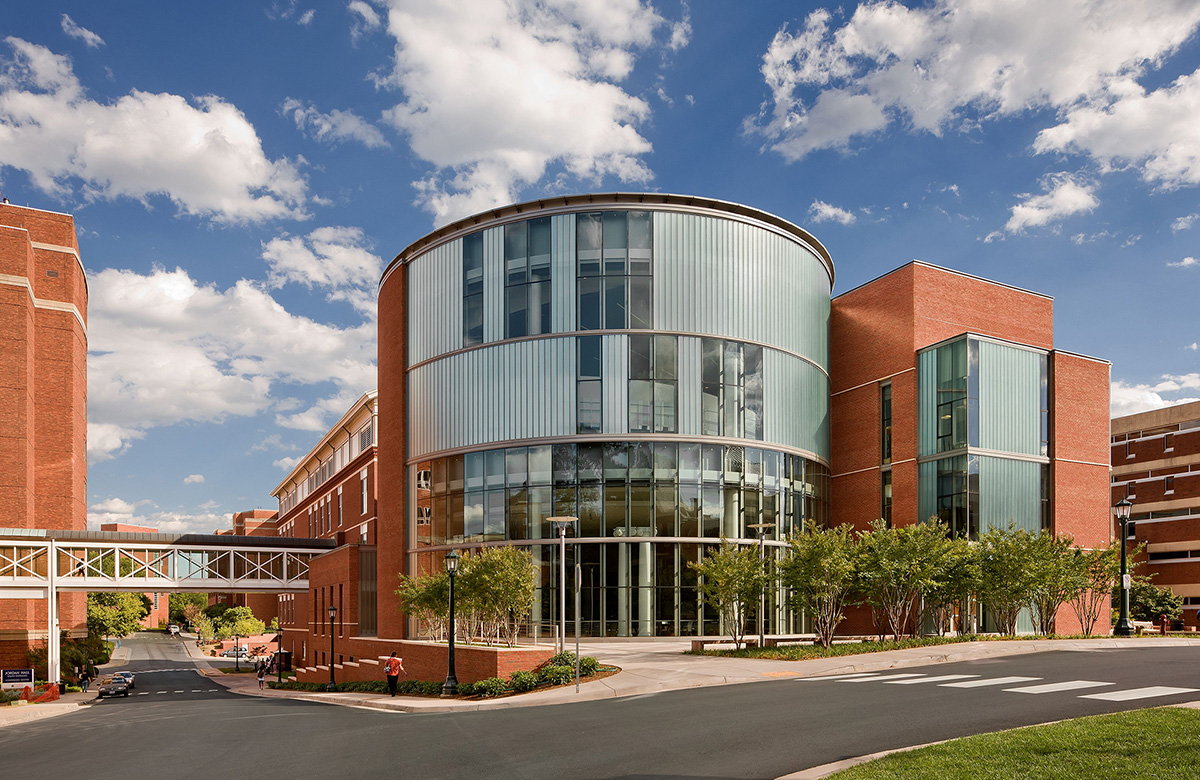
Channel glass’s cast U-channels can support visually striking and innovative designs and enhance the functionality of a building with improved thermal and acoustic performance. Able to facilitate vertical, horizontal or serpentine assemblies all while contributing to LEED certification, channel glass offers design teams substantial versatility.
In fact, channel glass architecture can be used in a variety of project types—from residential construction to commercial buildings. It is suitable for both interior and exterior applications. Whether a project team leverages its surface texture for glare-free daylighting in lecture halls or to dampen exterior noise at airports, channel glass offers several design advantages. When specified correctly, channel glass architecture in commercial buildings can:
- Offer daylight without the glare
- Lower U-values for more efficient operation
- Illuminate façade design
- Achieve premium sound attenuation
- Enable curved and serpentine designs
1. Channel glass architecture allows daylighting without the glare
One of the most noticeable benefits of channel glass is its surface. Available in multiple textures, channel glass can gently diffuse light so occupants can reap the benefits of natural lighting without having to fight pesky glares and distracting shadows. This can be a significant value-driver in health care facilities, museums, libraries and many other institutional and commercial projects where natural lighting goals are nuanced. Further, the textured surface of Pilkington Profilit™ is certified as bird-friendly, contributing credits in the Sustainable Sites category of LEED v5.
2. Architects use channel glass for low U-values
In addition to its bird-friendly surface texture, channel glass can accommodate translucent Lumira® aerogel, a lightweight insulation material. Together, these glazing materials can lower U-values to 0.19 while still allowing the soft transfer of light into a building. By reducing thermal transfer, channel glass architecture can help maintain a comfortable indoor environment more efficiently. Architects have used this type of glazing from Ontario, Canada, to San Francisco, Cali., to support energy-efficient and occupant-centered designs.
3. Channel glass supports illuminating façade design
Not all channel glass architecture focuses on the indoor environment. Some applications seek to differentiate a building’s façade from other structures nearby. For instance, the Center Steps Apartments combines this type of glazing with LEDs to playfully guide visitors to the building’s entryway. While different than creating a more comfortable interior, this application helps build a welcoming atmosphere in the evening, inviting people to stop a moment before they continue on their way to a show at one of the many theatres around the apartment complex in midtown Seattle.
4. Channel glass architecture keeps quiet spaces quiet
Center Steps is not the only multifamily residence in Seattle that utilizes channel glass. A short trek south, the Emerald soars above the bustling Pike Place Market. The building’s design leverages another benefit of channel glass architecture: its premium sound attenuation. Able to reach Sound Transmission Class ratings (STC) up to 44, this type of glazing can dampen city traffic to a low whisper. While the Emerald uses this performance capability to maintain tranquility in its exercise facilities, other commercial projects can use it to reduce noise transfer between common areas and private rooms. This can support the design of health care facilities, higher education projects and many other building types.
5. Curved designs are easy work with channel glass
Channel glass systems can achieve radii as tight as six and a half feet. This allows designers and glaziers to create gracefully curved interior and exterior walls. Circular channel glass architecture can support educational projects by centering a single focal point within a room. This feature, along with the system’s ability to diffuse light and contribute to LEED certification, was leveraged for a lecture hall within Claude Moore Medical Education Building at the University of Virgina to enhance occupant experience within this forward-looking higher educational project.
Why do architects use channel glass?
Architects use channel glass for a variety of reasons. These are just five highlights—highlights that do not even scratch the surface of the aesthetic and performance potential held within these systems.
Technical Glass Products (TGP) has a wealth of online information to support architects in using channel glass in their projects. Further, design professionals can request presentations specifically on how channel glass can be used in their commercial and residential projects.
 Devin Bowman is General Manager of Technical Glass Products (TGP) and AD Systems. With over 20 years of industry experience, Bowman is actively involved in advancing fire- and life-safety codes and sits on the Glazing Industry Code Committee (GICC).


